
Live Random Chat
Live random chat is a format that the rest of the internet has largely abandoned in favour of asynchronous communication — posts, replies, queued messages, and content that exists independently of whether anyone is watching it right now. The live dimension is the rare thing. Two people, both present simultaneously, both responding in real time, both constrained to whatever they actually think at the moment rather than what they have time to compose and edit. This platform is built specifically around that live quality: the connection happens in under two seconds, the conversation is synchronous from first word to last, and nothing of it persists when it ends.
What “Live” Actually Changes About the Conversation
Asynchronous communication — email, social posts, message threads — allows every participant to compose, edit, reconsider, and optimise what they send before it reaches anyone else. That deliberation produces polished self-presentation. It also produces a flattening of the genuine: the draft that survives editing is rarely the most honest one. Live chat eliminates that editing window entirely. What someone says in a live exchange is what they thought, because they did not have time to think themselves out of it.
The random dimension amplifies this. When neither participant has an ongoing relationship to manage, neither arrives with the social investment that shapes how people speak when consequences accumulate. The combination of live presence and genuine randomness produces a conversation that is simultaneously more honest than most asynchronous exchanges and more surprising than any curated one. That combination is what makes live random chat specifically — rather than either quality alone — worth seeking out.
This platform was built to deliver that combination reliably. The connection is immediate, the pool is global, the format is genuinely synchronous, and nothing of the session is retained when it closes. The live quality is structural — it is not a feature that can be toggled on or off by a setting, but a property of what it means for two people to be present in the same conversation at the same moment without any accumulated context between them.
Live Presence Across 160 Countries
Nine million live sessions daily across 160 countries means that at any hour, the pool contains people who are genuinely present and genuinely available — not dormant accounts, not queued-up automated responses, and not participation that happens when the other person gets around to it. The draw from this pool produces a live human being on the other side of the connection, responding in real time, from wherever in the world the draw lands. That global live presence is what random chat at scale uniquely makes possible.
Synchrony Changes What Gets Said
The absence of an editing window does not just change how quickly messages arrive. It changes their content. Replies that would be softened, hedged, or abandoned in an asynchronous exchange arrive unmodified in a live one. That directness is the condition that makes a live conversation feel qualitatively different from a message thread on the same topic with the same person. The live format produces the conversation both parties would have had in person, which is the one with the most information in it.
Each Session Starts From Zero
No prior session shapes the current one from the platform’s perspective. No accumulated impression of who you are, no context from conversations you have had before, and no pattern inferred from your prior choices influences the draw or the conversation. Each live session begins from a genuinely blank state for both participants, which is the condition that makes the spontaneity of a live exchange its most productive rather than its most managed version.
What Makes the Live Connection Work Here
Six capabilities underpin the live random chat experience on this platform. Each was designed to serve the live quality specifically — to make the connection as immediate, the session as genuinely synchronous, and the environment as safe as the format requires.
Connection Opens in Two Seconds
From pressing the start button to a live human being appearing in your session takes under two seconds. The relay handshake, the pool draw, and the session establishment all happen within that window. No waiting room, no queue, and no loading animation visible to the user. That speed is not incidental — it is what makes the format feel genuinely live rather than provisionally scheduled. The two seconds between intention and connection preserves the impulsiveness that makes a live encounter worth having.
Live Sessions, Zero Residue
When a live session closes, it closes completely. The encrypted stream ceases. The relay discards its routing information. No conversation record, no duration entry, and no session identifier persists in any database. The architecture was not built with session storage, which means there is no retention to prevent — the data was never generated. Each new live session begins from a blank infrastructure state, which makes the impermanence of the exchange structural rather than a feature of a privacy setting.
A Live Pool of 160 Countries
The pool that every live session draws from spans over 160 countries with active daily participation in each. The person who appears in your session is not drawn from a profile database of dormant accounts but from the set of people who are active in the platform at this moment. That currency is part of what makes the encounter live in the full sense: the other person is here, available, and present right now — not at some point in the last week, but in the same real-time window you are.
Moderation That Matches Live Speed
A live chat environment requires safety moderation that operates at live speed. When a report is filed in session, it reaches a human moderator within minutes. The reported participant is removed from the pool for new sessions immediately on submission, before the review concludes. That response time is calibrated to the format: a moderation system that responds in hours is not functional for sessions that last minutes. The moderation here was designed for the live context specifically rather than adapted from an asynchronous one.
Relay-Routed for Privacy
Every live session is routed through our relay infrastructure rather than as a direct peer connection. The relay serves two simultaneous purposes: it prevents either participant’s network address from being transmitted to the other, and it provides a stable routing layer that maintains session quality on variable connections without the call quality issues that direct connections produce when one side’s network fluctuates. Both the privacy and the stability of every live session are products of that relay architecture.
Text, Voice, and Video All Live
All three modes operate in genuine real time throughout every session. Text messages appear as they are typed. Voice is transmitted continuously without the latency that makes conversational exchange stilted. Video is live from the first frame — not a still image updated at intervals, but a continuous stream of what is actually happening in front of the camera. Each mode can be used independently or together, switched at any moment without interrupting the session, and toggled in response to whatever the conversation becomes.
Why This Platform Gets the Live Format Right
Live random chat requires a specific set of technical and community conditions to deliver on its promise. The live quality is fragile: latency breaks it, pool quality degrades it, and safety failures make it unusable. These four qualities describe where this platform preserves the live quality that the format depends on.
Infrastructure Optimised for Low Latency
Live chat is not live when latency makes responses feel delayed. Our relay infrastructure is distributed across multiple geographic nodes specifically to minimise the round-trip time between participants’ devices. The WebRTC implementation used for voice and video was selected and tuned for the latency characteristics that make synchronous conversation feel natural rather than awkward. The nine million daily live sessions on this platform are evidence that the technical quality of the live connection meets the standard the format requires.
A Pool That Is Genuinely Live
The distinction between an “active” user pool and a genuinely live one matters. A pool of active accounts includes people who used the platform today, yesterday, or last week. A live pool includes only people who are present and available right now. This platform’s matching system draws exclusively from currently active sessions rather than from a historical activity record. The person you are connected with is live in the same moment you are, which is the only condition under which a live chat actually functions as described.
Randomness That Stays Live Over Time
Some platforms begin with random matching and gradually introduce algorithmic sorting as they accumulate behavioural data from returning users. The platform builds a preference model and the randomness erodes. This platform does not build a preference model because no persistent user record exists to build one on. Every new session draws from the same unweighted pool as the first. The live randomness does not decay with use. The thousandth session is as genuinely random as the first because nothing has accumulated to make it otherwise.
The Full Experience, No Live Tier
Some platforms reserve the live experience — real-time video, immediate matching, full global pool — for premium subscribers and give free users a reduced version. This platform has no tier structure. The live experience described on this page is not a description of what premium subscribers receive. It is what every visitor receives on every session, from the first visit to any subsequent one, without any payment required at any point to access any part of it.
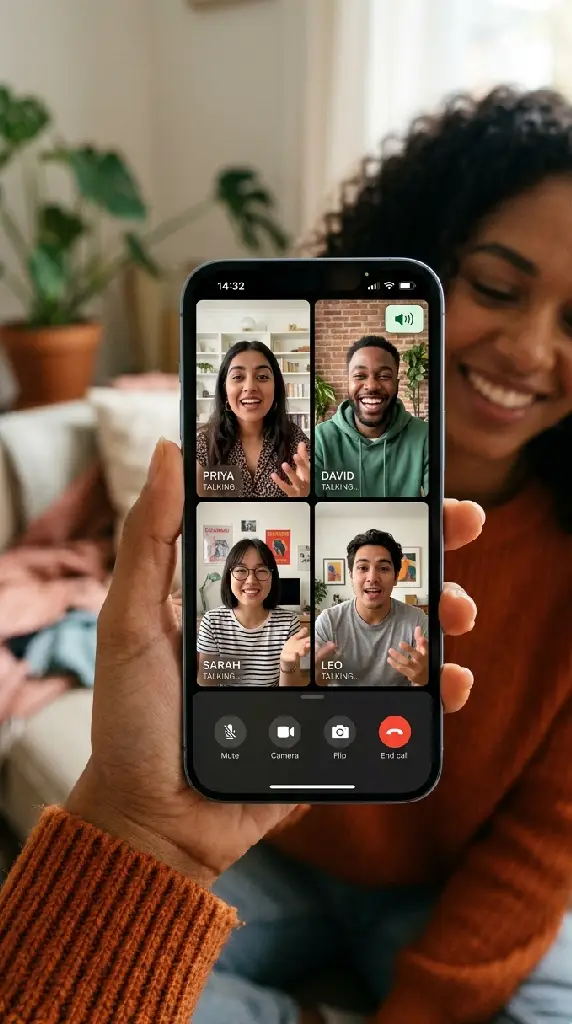
Live Random Chat Against Every Alternative Communication Format
The live and random qualities of this format sit at a specific intersection of the online communication landscape. This table maps where the live random chat experience here compares to the alternatives that people typically encounter or consider first.
| Interaction Criteria | Live Random Chat | Legacy Video Sites | Roulette Services | Social Media |
|---|---|---|---|---|
| 💸 Free Access | ✔ Unlimited | ✔ Yes | ~ Freemium | ✔ Yes |
| 👤 Guest Access | ✔ No Signup | ✔ None | ✘ Account Required | ✘ Account Required |
| 🛡️ Data Encryption | ✔ Full | ✘ None | ~ Partial | ~ Standard |
| 🚫 No Chat History | ✔ Cleared | ✘ Stored | ✘ Stored | ✘ Persistent |
| 👨 Gender Selection | ✔ Free Filter | ✘ Not Available | ~ Paid Only | ✘ N/A |
| 🎯 Interest Matching | ✔ Free | ~ Basic | ~ Paid Tier | ✘ Manual |
| 📱 Mobile-Ready | ✔ Full | ~ Basic | ✔ Yes | ~ App Focused |
| 🌐 Browser Based | ✔ No Install | ✔ No Install | ✘ App Needed | ✘ App Needed |
| 👮 Active Moderation | ✔ 24/7 | ✘ Low | ~ Bots | ~ User Reports |
| 🎭 Anonymity Level | ✔ Complete | ~ IP Visible | ~ Limited | ✘ Public Profile |
Keeping the Live Environment Safe and Private
Live chat creates a specific safety environment: both parties are present simultaneously, the exchange is immediate, and neither has time to carefully evaluate the situation before responding. Every protection below was designed with that specific context in mind.

🔐 What Every Live Session Is Protected By
- End-to-end encryption is applied to text, voice, and video before any content leaves either device in every session
- Relay routing prevents your network address from being transmitted to or derivable by the other participant
- No live session content is written to any persistent storage during or after any session on any communication mode
- No cross-session identifier links your current live session to any prior or future session in our infrastructure
- In-session report controls are permanently visible and connect to a human moderator within minutes
- The reported participant is suspended from new live sessions immediately on report submission, before review concludes
- No advertising, analytics SDK, or tracking script observes any behaviour on any page of this platform
Why Live
Chat Needs
Faster
Moderation
A live session can begin, develop, and end in under three minutes. A moderation system that responds in hours is not functional for that timescale. Human moderation that responds within minutes is the baseline requirement for a live chat environment that is genuinely safe rather than nominally moderated. Our moderation team operates around the clock because the live format has no off-peak hours: sessions happen at every hour of the day across 160 timezones, and each one requires the same moderation availability.
Why No
Live
Session
Is Stored
Storing live sessions creates a data liability that persists long after the conversation ended. The live quality of the format — the thing that makes it valuable — is specifically the quality of existing only in the present. Storing it contradicts the format at a fundamental level. This platform’s zero-retention architecture reflects that: live sessions are live in the full sense, not live at the time and archived afterward. The architecture was built without session storage because a stored live session is no longer what the format promises.
Relay Routing Protects Both Parties in Real Time
A direct peer connection in a live session would expose both participants’ IP addresses to each other in real time — a significant privacy exposure in a context where neither party has prior trust. Our relay architecture routes live traffic through our infrastructure without bridging that direct connection. Neither participant’s network address is transmitted to the other at any point during the session. That protection operates from the moment the session opens and applies equally to both sides throughout.
Impermanence That Makes Live Chat Worth Having
Part of what makes a live conversation different from a logged one is the shared knowledge that it is not being archived. When both parties know that what they say lives only in the session and nowhere else, the exchange operates on different terms than it would if both knew a transcript existed. The zero-retention architecture here is not just a privacy feature — it is a condition that affects the quality of the live exchange itself, making it more candid and more genuinely spontaneous than any format where a record accumulates.
What the Live Format Produced That Nothing Else Could
These six accounts describe specific things that the live quality of the format made possible — outcomes that the same content in an asynchronous format would not have produced in the same way or at all.
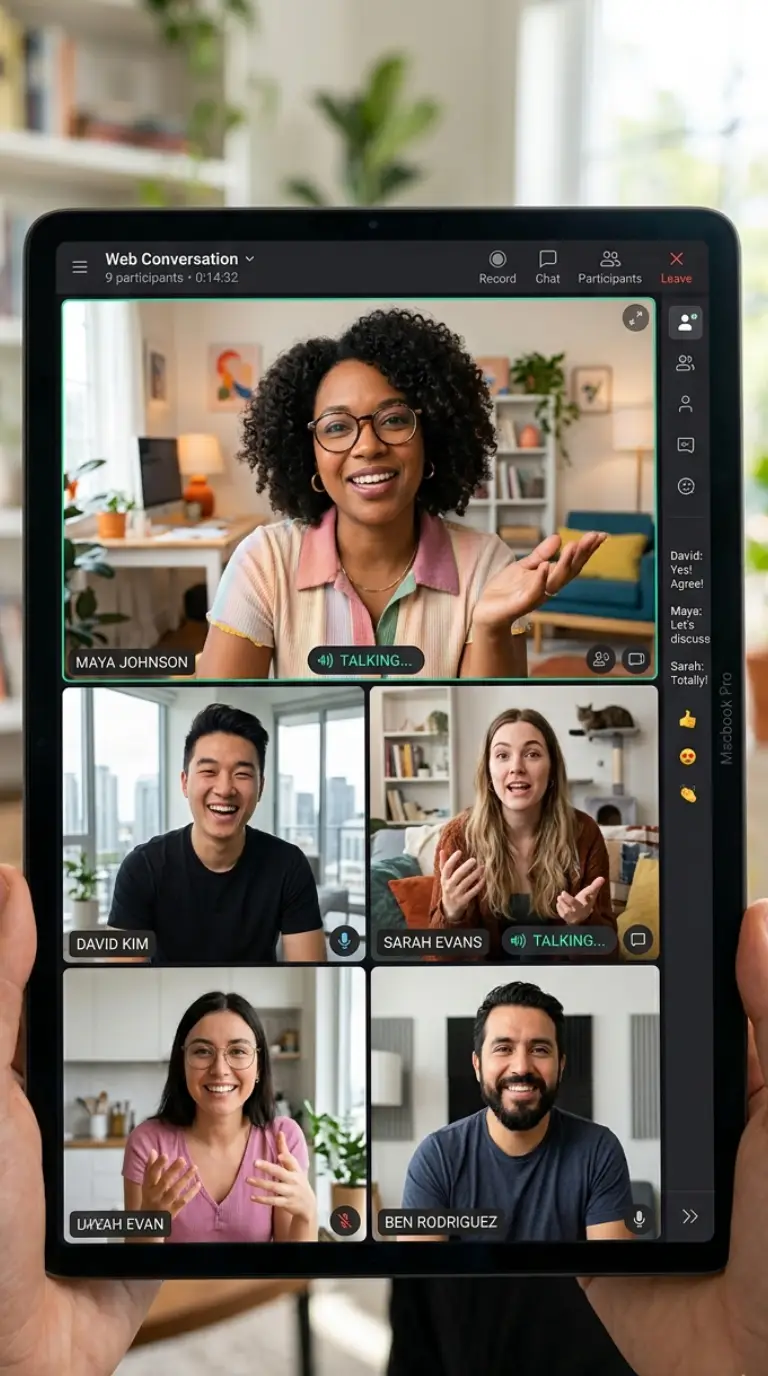
Live Is the Thing the Internet Is Running Out Of
The direction of travel for most online communication has been toward asynchrony. Notifications replace calls. Comments replace conversations. Posts replace presence. The convenience of being able to engage on your own schedule, without committing to simultaneous presence, has progressively displaced the harder but richer experience of being in the same moment as another person. Live random chat is one of the few formats that resists that direction entirely. Both people have to be here at the same time. That constraint is the source of its value, not an inconvenience to be optimised away.
Nine million live sessions happen here every day. Nine million moments where two people are simultaneously present, both responding in real time, both constrained to what they actually think in the moment rather than what they have time to compose. The scale of that is evidence that the live quality produces something worth seeking out even in an environment where asynchronous alternatives are always available and always easier. The format survives because what it produces cannot be replicated without the simultaneity.
This platform exists to make the live encounter as frictionless as possible. No account standing between you and the session. No subscription standing between you and the global pool. No wait longer than two seconds between pressing the button and a live person appearing. And no record of the session when it ends — which means nothing to worry about, nothing to regret, and nothing to explain. Just a live conversation with a real person, starting now.
The live session is two seconds away. Press the button.
The Live Pool Across the World Right Now
Nine million daily live sessions across 160 countries means the pool is simultaneously active in every inhabited timezone at any moment. These four regions represent where live engagement is strongest and growing most consistently.
East Africa and the Indian Ocean
Tanzania, Kenya, Ethiopia, and Madagascar all have active live session communities. Swahili, Amharic, Malagasy, and English are represented in session language preferences. Live session volumes from this cluster have grown consistently across six quarters. Users from East Africa show a strong preference for voice and video modes over text-only live sessions, indicating an affinity for the real-time conversational engagement that the live format specifically produces at its most direct and personal.
The Hindu Kush and Pamir
Pakistan’s northern territories, Afghanistan, and Tajikistan all contribute live sessions. Urdu, Dari, Pashto, Tajik, and English are the most common language preferences from this cluster. The browser-based, no-account model is particularly relevant in these markets, where app installation restrictions, older OS versions, and variable connectivity would prevent participation in any live chat format that required a download. The live pool here reaches communities that alternative formats cannot access.
The Eastern Caribbean Islands
Trinidad and Tobago, Barbados, Saint Lucia, Grenada, and Antigua all contribute live sessions. English is the universal session language. Live session quality scores from the Eastern Caribbean are consistently among the highest in the platform’s network metrics, reflecting the quality of broadband infrastructure across these island markets and the conversational depth that live sessions in this cluster reliably produce. Cross-continental matching rates are high, reflecting curiosity about global perspectives.
Southern
Cone
Argentina, Uruguay, and Chile collectively generate significant live session volumes. Spanish is the near-universal session language. Users from the Southern Cone show above-average session duration in live exchanges and a high rate of using video mode from the opening of a session. Live sessions between Southern Cone users and participants from Europe, Africa, and Asia are common, and cross-continental session quality scores from this cluster are consistently above the platform-wide mean.
Questions About Live Random Chat on This Platform
These questions address the specific mechanics and character of live random chat here — what makes it live, how the pool works, and what to expect from the experience of simultaneous real-time conversation with a stranger.
1. What does “live” actually mean here — is there any buffering or delay?
The session is genuinely synchronous with minimal perceptible latency on standard connections. Text appears as it is typed. Voice is transmitted continuously without the delays that make conversational exchange stilted. Video is a continuous stream rather than periodically updated images. The technical implementation uses WebRTC, which was designed specifically for low-latency real-time communication. On variable connections, quality adjusts rather than latency increasing. The live quality is engineered rather than approximate.
2. Is the person on the other side actually online right now?
Yes. The matching draw is made from participants who are active in the platform at the moment you press the button, not from a database of accounts that were active at some point. If no one matching your filter is currently available, the system waits for an active participant rather than drawing from historical activity. That currency — drawing from currently present participants only — is what makes the encounter genuinely live rather than a connection to someone who will respond when they return to the platform.
3. How is a live session different from a message thread with the same person?
The absence of an editing window changes the content of what gets said. In a message thread, both parties compose, revise, and optimise before sending. In a live session, responses arrive as they are generated — unedited, unsoftened, and shaped by the momentum of the exchange rather than by deliberate self-presentation. The emotional and informational richness of a live exchange is higher because less of it is managed. That difference accumulates across a conversation into a qualitatively different experience from any asynchronous equivalent.
4. Can I join a live session without turning on my camera?
Yes. Video is available but never required. You can join live in text-only or voice-only mode and enable video at any point during the session if you choose to. The camera can also be disabled mid-session without ending the call. Every mode is live in the same sense: text appears as typed, voice is transmitted continuously, and video when active is a continuous stream. None of the modes are delayed or queued. You choose what to share live; you are never required to share more than you want to.
5. What happens if my connection drops mid-session?
The relay infrastructure attempts automatic reconnection for up to thirty seconds. If the connection restores within that window, the session continues without either participant needing to take action. If the connection does not restore, both participants are returned to the start interface. No penalty is applied to either party for the dropped connection, no data is retained from the partial session, and no session record exists that would reflect the interruption. The next session begins from the same clean state as the first.
6. Is the live session truly private or does the platform observe it?
The session is end-to-end encrypted from both devices before reaching our relay. The relay routes encrypted packets without reading their content. No readable live session content exists on our infrastructure at any point. We know that a session occurred and roughly how long it lasted. We do not know what was said, what was shown on camera, or who participated. Sessions that are not reported are not reviewed by anyone at any point. The privacy is structural: the data the platform would need to observe the session was never generated.
7. How quickly does a live session connect?
Under two seconds in the vast majority of cases. The matching draw from the active pool, the relay handshake, and the session establishment all complete within that window. No captcha, no waiting room, and no loading screen is visible to the user. The speed is a function of the pool size — nine million daily sessions across 160 countries means the active pool is large enough to produce an immediate match at any hour. There is no time of day at which the pool thins enough to make matching noticeably slow.
8. Is there a time limit on live sessions?
No. Sessions can last from a few seconds to several hours, determined entirely by the two participants. There is no timer, no warning of an approaching cutoff, and no premium tier that extends the duration beyond a free-tier maximum. The session is yours to end when the conversation has run its natural course. No mechanism on the platform will end it before that moment. The free model applies to session duration the same way it applies to pool access: without limit, without exception, on every visit.
9. How does safety work in a live context where things happen quickly?
The in-session report button is permanently visible throughout every live session. Pressing it sends the report to a human moderator who reviews it within minutes. The reported participant is suspended from new live sessions immediately on submission, before the review concludes. You can end the session and file a report in any order. The moderation response time was specifically calibrated for the live format: a system that responds slowly is not functional for sessions that can begin, develop, and end in minutes. Speed of response is a design requirement, not a target.
10. Is this suitable for professional or educational use cases?
Many professionals and educators use the platform specifically for the live quality that makes it useful for training, research, and experiential learning. Language practice, communication training, usability research, cultural exchange, and professional skill development through real-time exchange with people in other fields and countries are all common uses. The platform supports those applications within its community standards. It does not certify or facilitate specific professional or educational programmes, but the live random format has proved genuinely useful for use cases that require unplanned, uncoached, real-time engagement.