
Chatroulette Alternative
Chatroulette proved something important when it launched: people wanted to see the person they were talking to. Not a profile picture — a live face, reacting in real time, from somewhere on the other side of the world. That idea was right. What the original platform could not sustain was the infrastructure required to make face-to-face random video chat safe and trustworthy at scale. A genuine Chatroulette alternative preserves the live video encounter at its core while rebuilding everything that made the original impossible to recommend with confidence. That is exactly what this platform is.
What Chatroulette Got Right and Where It Fell Short
Chatroulette was a genuinely novel idea when it appeared in 2009: connect two strangers via live video at random, show each face to the other with no profile in between, and see what conversation produces itself from that starting condition. At its peak it was one of the most culturally discussed websites in the world precisely because the idea was so immediate. Two faces. One screen. No context. The directness of it was the point.
What undermined it was not the concept but the execution. No encryption, which meant the video streams were exposed in ways users had no reason to anticipate. No effective moderation, which allowed the pool to become unreliable for anyone seeking a genuine conversation. No mobile experience worth using. And a technical infrastructure that aged without adequate investment, leaving the platform increasingly unable to deliver the experience it had originally promised.
This platform starts from the Chatroulette premise — live video, real stranger, genuine randomness — and builds the infrastructure it deserved from the beginning. End-to-end encrypted video from the first frame. Human moderation responding to reports in minutes. A pool spanning 160 countries. An experience that works identically on a phone browser and a laptop. The core idea intact; the execution rebuilt.
Video-First Was Always the Right Call
Chatroulette’s most significant contribution was insisting on video as the default rather than offering it as an optional add-on to text chat. The directness of a live face creates a category of interaction that text cannot replicate. This platform is built around that same insight: the face is the starting point, not the endpoint of a conversation that begins in text. The live video encounter is not a feature — it is the product.
Randomness That Produces Real Surprise
Chatroulette’s matching was unmediated by algorithm, which is what made encounters on it feel genuinely different from anything a curated platform produces. This platform preserves that unmediated randomness. The draw is made from the live pool without any compatibility logic, demographic inference, or history-based weighting. The face that appears on your screen was not selected for you — it was simply the next person available.
The Safety Chatroulette Never Delivered
Chatroulette’s safety problems were the defining reason it became difficult to recommend to anyone, particularly for video use. This platform approaches video safety as a baseline requirement rather than an afterthought: encrypted streams from the first frame, moderation that responds in minutes rather than ignoring reports, and permanent removal for confirmed violations. The live video format only delivers its value in an environment people trust enough to actually use it.
The Video-First Experience, Rebuilt for the Present
Every feature below addresses either something Chatroulette offered but executed poorly, or something it never offered at all. Together they describe a video chat experience that honours what the original format was trying to create.
Next Face in Under Two Seconds
Part of Chatroulette’s appeal was the speed of moving between encounters. That speed made the format feel genuinely different from every other communication platform — the low friction between sessions was what made the format feel like browsing the world rather than waiting for the world to respond. This platform maintains that pace: one tap ends the current session and the next face appears in under two seconds, with no loading screen and no gap in momentum.
Encrypted Live Video, End-to-End
Chatroulette never implemented end-to-end encryption on its video streams, which meant live video passed through its servers in a form that could be captured, stored, or observed. This platform encrypts the video stream using DTLS-SRTP before it leaves your device. The relay infrastructure routes the encrypted packets without reading them. No readable video content exists anywhere on our servers during or after any session. The encryption is automatic and applies to every frame.
160 Countries in the Live Video Pool
Chatroulette’s user base, while internationally diverse in its early peak, became increasingly concentrated in specific markets as its quality declined and its safety environment deteriorated. This platform’s free and no-account model maintains genuinely global participation: 160 countries with active daily video sessions in each. The geographic breadth that Chatroulette demonstrated was possible is maintained here through the structural conditions that make it sustainable.
Camera and Audio Mid-Session
Camera, microphone, and text input are independently togglable at any point in an active video session. You can disable video while keeping audio, mute audio while keeping video, or add text alongside both. Each change takes effect immediately without ending the session. Chatroulette’s interface offered limited mid-session control. This platform treats the ability to manage what you share in real time as a core feature rather than an advanced option.
Mobile Video That Actually Works
Chatroulette’s mobile experience was chronically inferior to the desktop version. This platform was designed from the outset to deliver equivalent video quality across device types. The mobile browser experience uses the same WebRTC implementation as the desktop version, with the same adaptive bitrate management, the same encryption, and the same moderation infrastructure. No app download is required and no feature set difference exists between a phone session and a laptop session.
HD Video From the Opening Frame
Chatroulette’s video quality was inconsistent and never reliably high, particularly as the platform aged and its infrastructure fell behind user expectations. This platform delivers a minimum 720p stream on standard connections and scales to 1080p where bandwidth allows. The resolution is determined by connection quality, not by subscription tier. Every visitor — on the first session and the hundredth — receives the same picture quality under the same conditions.
Where This Platform Outperforms the Chatroulette Format
The best Chatroulette alternative does not just replicate the original — it addresses the specific gaps that prevented the original from being as good as its core idea deserved. These four qualities describe where this platform genuinely advances the format.
Video Safety Built Into the Architecture
Chatroulette’s most visible and enduring problem was inappropriate video content that the platform’s moderation could not adequately address. Our human moderation team reviews every report within minutes and applies permanent removal for confirmed violations. The report button is visible throughout every video session without navigating away from the live feed. That response capability is what makes the video format usable rather than avoided, which is what the Chatroulette format ultimately became for many users.
A Pool That Reflects the Actual World
Chatroulette’s geographic concentration was always a limiting factor in the variety of encounters it could produce. With 160 countries represented in this platform’s live video pool, the range of faces, languages, and cultural contexts you might encounter in a single session is significantly broader than the original could deliver at any stage of its history. That breadth is a consequence of the no-cost, no-account model that removes the barriers which shape every other platform’s user base.
Privacy That Matches the Video Exposure
Live video is the most personally exposing communication format available online. It requires a correspondingly higher standard of privacy protection than text or even audio. Chatroulette never met that standard. This platform’s video privacy architecture was built in recognition of what live video exposure requires: no biometric processing, no frame storage, no IP address transmission to the other participant, and encryption that applies from the first frame to the last in every session.
Actively Maintained, Not Left to Age
Chatroulette’s decline was in significant part a story of infrastructure that was never updated to match either the scale the platform reached or the expectations users developed over time. This platform operates with ongoing investment in relay infrastructure, moderation capacity, and platform maintenance. Users who return after a period away find an experience that has improved rather than degraded — which is the opposite of what the Chatroulette trajectory produced from around 2012 onwards.
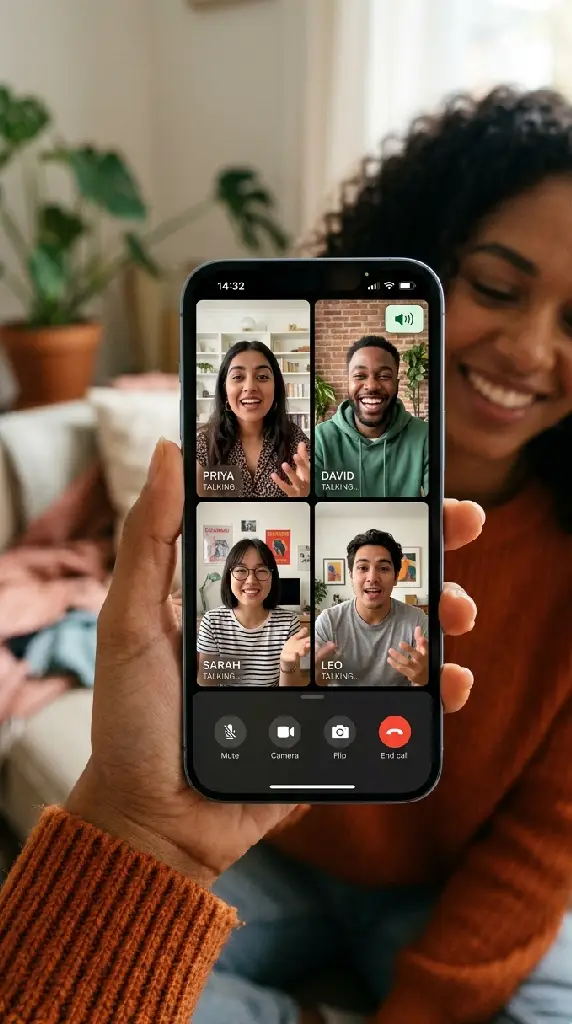
How the Video Experience Compares Across Platform Types
The Chatroulette format sits in a specific category — live random video with strangers — that other platforms approach in different ways with very different results. This table maps the key dimensions across each approach.
| Functionality | Chatroulette Alternative | Legacy Platforms | Other Random Sites | Social Networks |
|---|---|---|---|---|
| 🎟️ Zero-Cost Access | ✔ Always | ✔ Free | ~ Freemium | ✔ Free |
| 🎫 No Sign-up Required | ✔ Zero | ✔ None | ✘ Required | ✘ Required |
| 🛡️ Encrypted Privacy | ✔ All Sessions | ✘ None | ~ Partial | ~ Varies |
| 🗑️ No Data Retention | ✔ Always | ✘ Stored | ✘ Stored | ✘ Stored |
| 🎚️ Advanced Filtering | ✔ Free | ✘ None | ~ Paid | ✘ None |
| 🎯 Hobby Matching | ✔ Free | ~ Limited | ~ Paid | ✘ Manual |
| 📱 Mobile Web Support | ✔ Full | ~ Patchy | ✔ Yes | ~ App Only |
| ⏩ Immediate Start | ✔ Browser | ✔ Browser | ✘ App Needed | ✘ App Needed |
| 👮 Active Human Oversight | ✔ 24/7 | ✘ Minimal | ~ Bots Only | ~ Flags |
| 🕶️ Anonymous Presence | ✔ Complete | ~ IP Visible | ~ Partial | ✘ Profile |
Video Privacy at the Level the Format Demands
Live video is the most personally exposing medium in online communication. The gap between Chatroulette’s privacy approach and what the format actually requires was significant and never closed. Every commitment below addresses that gap specifically.

🎥 What Every Live Video Session Is Protected By
- Video streams are encrypted using DTLS-SRTP before leaving your device — no readable video content exists on our relay at any point
- No facial recognition, biometric analysis, or visual inference of any kind is performed on any video feed during any session
- Your network address is never transmitted to or derivable by the person on your screen through any mechanism we operate
- No video frame or audio segment is written to persistent storage during or after a session, including following a moderation report
- Camera permission is tab-scoped and revokes automatically when the browser tab closes without any further action required
- Human moderation reviews every in-session report within minutes; the reported participant cannot be matched to new sessions pending review
- No advertising network, analytics platform, or third-party tracking code observes any session on this platform
How Chatroulette’s Video Privacy Failed
Chatroulette’s video streams were never encrypted end-to-end, which meant live video — of participants’ faces, environments, and reactions in real time — passed through the platform’s servers in a readable form. That represented a privacy exposure most users had no reason to anticipate or consent to. This platform encrypts video before it leaves your device. The relay that routes the stream never holds a readable copy. The structural difference between those two architectures is not marginal.
What Your Camera Reveals and Platform
Your camera shows your face, your environment, and your reactions to whoever is on the other screen. That is the intended exposure of the live video format. What is not intended, and what this platform does not do, is run any analysis on that visual content, store any frame of it after the session ends, or transmit your network address alongside it. The person on screen sees you. The platform does not accumulate you. Those are different categories of exposure and they are treated differently here.
Moderation in a Context Is Non-Negotiable
Chatroulette’s failure to moderate video content effectively was the central reason the platform became associated with behaviour that undermined its core use case. A random video platform without functional moderation does not remain a random video platform — it becomes a platform for the specific uses that flourish in an unmoderated environment. Human moderation that responds in minutes, applies permanent consequences, and scales with the pool is not optional infrastructure. It is what makes the format serve the purpose it was built for.
Mutual Protection in a Live Video Session
Privacy in live video chat protects both participants equally. The person you are matched with cannot see your network address, cannot record the session through any platform-provided mechanism, and cannot identify you from the connection data. You have the same protections in the opposite direction. Neither participant has technical leverage over the other through anything the platform provides. That symmetry is what makes the format genuinely safe rather than safe for one side and exposed for the other.
What Former Chatroulette Users Discovered Here
The six people below came specifically because they valued what Chatroulette offered at its best and were looking for somewhere that delivered the same video-first random encounter in a form they could actually trust. Their accounts describe what they found.
The Live Face on Screen Was Always the Right Idea
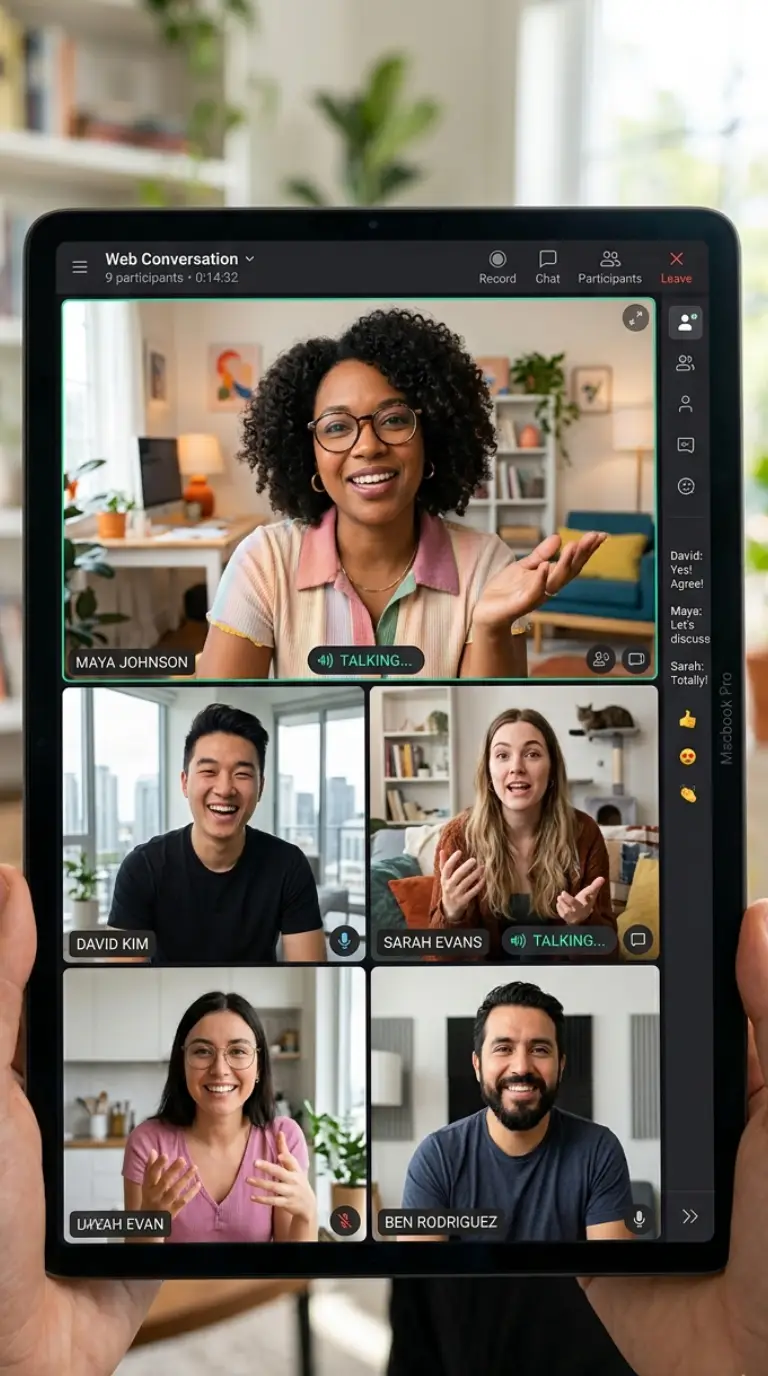
Chatroulette’s founding insight was correct: given the choice between typing at a stranger and seeing their face, most people prefer the face. The visual channel carries information that text cannot and creates a kind of presence that audio alone does not replicate. What the platform failed to understand — or failed to adequately address when it became clear — was that a live video encounter requires a higher standard of privacy protection, a more actively maintained moderation environment, and a more deliberately managed pool quality than any text-based chat format.
This platform was built on that understanding. The video stream is encrypted because live video requires it. The moderation responds to reports in minutes because the live format makes slow moderation effectively no moderation. The pool spans 160 countries because the value of the encounter grows with the diversity of who might appear on screen. Each of those decisions is a direct response to a specific gap in what Chatroulette delivered.
The result is three million live video sessions every day. People who remember what Chatroulette felt like at its best — the genuine surprise of a face from somewhere entirely unexpected, reacting in real time to something you just said — are finding that experience here, with the reliability and safety infrastructure that the original idea always deserved. It took longer than it should have for a platform to deliver on that promise properly. This is the one that did.
Open your camera. The face is waiting.
The 160-Country Video Pool, Region by Region
Chatroulette at its peak drew users from a limited set of markets. This platform’s live video pool represents a significantly broader and more geographically diverse community. These four regions highlight where active live video participation extends beyond what the original format ever reached.
The Iberian World
Spain, Portugal, Brazil, Mexico, and the Hispanic communities of the United States collectively generate one of the largest live video participation clusters in the pool. Spanish and Portuguese are the dominant session languages. Users from the Iberian world show a strong preference for video over text-only modes and above-average session durations, making this cluster one of the most consistently active in the full live video pool at any hour of the day.
The Lower Mekong
Thailand, Cambodia, and Laos collectively contribute a significant and growing volume of live video sessions. Thai and Khmer are the most frequently selected session language preferences from this cluster. These markets were rarely accessible through Chatroulette’s concentrated user base and represent one of the most culturally distinctive clusters in the current pool for users from other parts of the world. Mobile video sessions account for the large majority of connections from this region.
The Horn of Africa
Ethiopia, Eritrea, Somalia, and Djibouti have all developed active live video communities on the platform. Amharic, Tigrinya, Somali, and Arabic are represented in session language preferences from this cluster. For users in the Horn of Africa, the browser-based no-account model is the determining factor in whether random live video is accessible at all. Session growth from this region has been consistent across four consecutive quarters, reflecting sustained demand in markets that no previous platform in this category has served meaningfully.
The River Plate Region
Argentina, Uruguay, and Paraguay collectively produce one of the highest-quality live video session clusters in the South American pool. Spanish is the universal session language. Users from the River Plate region demonstrate consistently above-average session durations and a high rate of multi-topic exchanges within individual sessions — characteristics consistent with a culturally engaged user base that treats live video conversation as a substantive activity rather than a brief curiosity.
What Chatroulette Users Ask When They Arrive Here
These questions come from people who know what the random video format offers and want specific answers about how this platform preserves what was valuable about Chatroulette and fixes what made it difficult to use.
1. Does this feel like Chatroulette at its best?
In the ways that matter, yes. The core experience — press a button, a stranger’s face appears on screen, a conversation begins or does not — is the same. The differences are improvements: the video quality is consistently higher, the pool is more geographically diverse, the moderation actually functions, and the privacy protection is genuine rather than absent. People who remember Chatroulette from its 2010 to 2012 peak tend to describe this as matching that quality while removing the issues that plagued the original.
2. Was Chatroulette’s video ever encrypted?
No. Chatroulette’s video streams were transmitted without end-to-end encryption throughout its history, which meant live video passed through its servers in a readable form. This platform encrypts every video session using DTLS-SRTP before the stream leaves your device. The relay infrastructure routes the encrypted packets without reading them. There is no readable video content on our servers at any point during or after a session. That is a fundamental architectural difference from the original platform.
3. Why did Chatroulette decline so sharply after its peak?
The rapid decline correlated with two compounding problems. First, moderation infrastructure that never scaled with the user base, allowing inappropriate content to dominate the pool and driving away users seeking genuine conversation. Second, the platform never invested adequately in its technical infrastructure as it aged, leading to degraded performance. The combination of an unreliable pool and a technically stagnant product produced a self-reinforcing decline that the platform never effectively reversed.
4. Is the pool here cleaner than Chatroulette’s was?
Yes, materially. Human moderation that responds to every in-session report within minutes, combined with permanent removal for confirmed violations, maintains a pool quality that Chatroulette’s infrastructure never delivered at scale. This does not mean every session is ideal — a random encounter format will always produce variation. But the rate of genuinely problematic encounters is significantly lower because the infrastructure for addressing them is functional rather than nominal.
5. Does the video here work on mobile as well as desktop?
Identically. Chatroulette’s mobile experience was consistently inferior to its desktop version. This platform was designed from the outset to deliver equivalent video quality across device types. The same adaptive bitrate management, the same encryption, and the same connection speed apply on a phone browser as on a laptop. No app installation is required and no feature difference exists between the two. The mobile video experience is not a reduced version of the desktop one.
6. Can I control my camera and microphone during a live session?
Yes, independently. Camera and microphone can each be toggled at any point during a live session without ending it. You can enter with video disabled, enable it when you choose, disable it while keeping audio, or return to text-only at any moment. Each change takes effect immediately. Chatroulette’s mid-session controls were limited. This platform treats the ability to manage what you share in real time as a core interface requirement rather than an advanced option.
7. Is this platform affiliated with Chatroulette?
No. This platform is entirely independent and has no affiliation, ownership connection, or technical relationship with Chatroulette or its operators. It was built and operates independently. The reference to Chatroulette describes the format this platform serves — the same way a venue might describe itself as offering a format associated with a well-known predecessor without any commercial relationship with that predecessor.
8. How many people are online in the video pool at any given time?
The live video pool fluctuates with time zones but consistently supports millions of simultaneous active video users. Three million daily video sessions distributed across 160 countries means the pool is large enough to produce fast matching at any hour and genuinely diverse in who you encounter. There is no time of day at which the live video pool narrows to a point where meaningful geographic variety disappears from the draw.
9. Can the person on my screen see my location or IP address?
No. Our relay architecture sits between both participants’ devices, routing the encrypted video stream without bridging the direct connection that would expose IP addresses. The other person can see what appears in your camera’s field of view, which is within your control. They cannot see your network address, infer your geographic location from the connection, or access any metadata about your device. Chatroulette’s direct connection model exposed IP addresses to participants. This platform’s relay model does not.
10. Do I need an account or a subscription for live video?
No to both, permanently. Live video — HD quality, full session length, global pool, all in-session controls — requires no account and no payment. The same model that applied on your first visit applies on every subsequent visit with no condition ever attached. There is no free tier with limited video quality and a paid tier with better quality, because there is no paid tier. Every visitor accesses the complete video experience under the same terms at zero cost.